FINGERS

While walking around the roads in the north woods near Eagle River, WI, the driver of each car I met lifted a couple of fingers off the steering wheel in greeting. My memory was sent back to growing up in a small town in southern Missouri. Everyone I met cruising Broadway lifted a couple of fingers in greeting. Whether or not I knew them or they knew me, we greeted each as neighbors.

This doesn’t happen very often in the city. If anyone lifts a finger, it is more likely the middle finger. Our acknowledgement of each other isn’t simply because we share the same gift of road and space. Our presence is more likely acknowledged if we do something that pisses someone else off. The middle finger is not a neighborly response of greeting but it is a response to a feeling of threat by the other person.

I know we can’t live in the city the way we lived in the small town. I know that there are too many people for us to greet each other with a pleasant acknowledgement.  We would be so busy acknowledging the thousands of people we pass by that we couldn’t do anything else. Fingers lifted in greeting would have time to do nothing else.

But, I wonder what it would be like if we were a little more neighborly to those we happen to be in proximity to in the grocery store or at the coffee shop? If we were more open to each other in the ordinary intercourse of life we might be less threatened by the strangers we meet. The middle finger might be less necessary if we used the first two fingers more often.

INTERNAL DEBATE

The mansion of my mind has many rooms. Each is occupied by a different character. Each character is more or less demanding in desiring to set the rules of the house.

Two who are in constant debate with each other are Analyst and Actor.

Analyst gets up in the morning, gathers the morning silence around him, sips his coffee and ponders. He wonders about yesterday, reflecting on what the owner of the mind did in the past. He tries to understand what it means. He explores his motivation, his feelings, his desires.

But, yesterday doesn’t capture him. He also muses about today and tomorrow. What is the owner of the mind going to do today? Why? What is the best way to spend his day? How shall he interact with the unfinished business of yesterday? Where shall he explore tomorrow?

And then, bursting out of his room comes Actor. Actor has slept in. But, he gets up ready for action. He storms past Analyst’s door and starts emptying the dishwasher. He eats, gets dressed and goes out for a hike. He makes a list of the things that need doing and starts marking them off.

All along, Analyst watches. What is he doing? Why is he doing that instead of the more important things that need doing? What if he makes a mistake? The owner of the mind will have “hell to pay” if he does that.  

I am glad both of these characters live in my mind, but I sometimes wonder if Analyst has more power than Actor. I wonder if Analyst is so worried about making mistakes that he keeps owner from listening to Actor. I think Analyst has inherited some perfectionist tendencies that keep him giving some more space to Actor. I think some of my days would be better if Analyst would take more naps and let Actor have the run of the house.


CLEANSING TEARS

Photo by BK Farish

Photo by BK Farish

What do you do when you are overcome with pain, when sadness absorbs you? What do you do when you can’t find words to express your sadness and anger?

If Facebook is any measure of the human spirit, today many people are grieving the loss of one of the gifts to our human experience of life and joy. Robin Williams died and his death seems to have reached beyond the understanding of the human mind. It seems so unfair that one who brought us so much laughter could feel such despair.

So, what do we do when we don’t understand? What do we do when we don’t want to believe what we know to be true?

There is nothing that will make it all OK.  But I once wrote the following: “Feeling the pain is . . . . important for helping the body release the toxins created by suffering. The bone and sinew in the body are scarred by emotional trauma and hold the hurt well beyond the heart’s ache. Tears can provide a healing release for the whole system when they are allowed to flow.”

Some tears are best when soaking in solitude. But, it is also important to find a friend’s hand and hold it. It is good to know we are  not alone. Sometimes sharing tears can help us connect to the human spirit that animates us. When we are broken together we experience the spirit that comes only when the raw edges of pain touch each other. Mingled tears open us to the deeper connections in our lives that nourish us when despair invades.

Because we are connected, we will suffer with each other even as we will rejoice with each other. Being able to share these deep spaces in our lives will help us discover strength to endure bitter despair and drink sweet joy.


THE BEST WAY

So many things in life are not a matter of answers to questions. Deb and I share life together. We are individuals who feel deeply and see life from perspectives that have been shaped by decades of living—each with our own histories.

As we navigate the exigencies of love, relationships, family, work, play, we come up against conundrums. We are not always clear how to move forward. So, we stop, sit and take time to talk. We take time to share our individual insights. We explore why each of us feels the way we do.

The discussion inevitably moves to the question, “With this being the reality, how do we move forward?” Occasionally there is a clear cut answer. More frequently, the way forward is unclear. We don’t come up with an answer that sums up the problem and reveals a clear solution.

And sometimes we discover that the conversation itself was helpful. It may have taken some of the edge off the issue. We discover that each of us shares some perspectives in common, and therefore we are not alone. We also find we have some different perspectives. But, because we love and respect each other, we can live with the differences and appreciate the gifts that each offers to our life together.

In his poem A Servant to Servants, Robert Frost has this line: “The best way out is always through.”  When we are tempted to think that the way out of our problem is to avoid it, it is helpful to remember this poetic directive. By facing the issue, ourselves and each other in loving regard, we don’t necessarily discover answers—but we discover each other and in that we find our way into our future together.


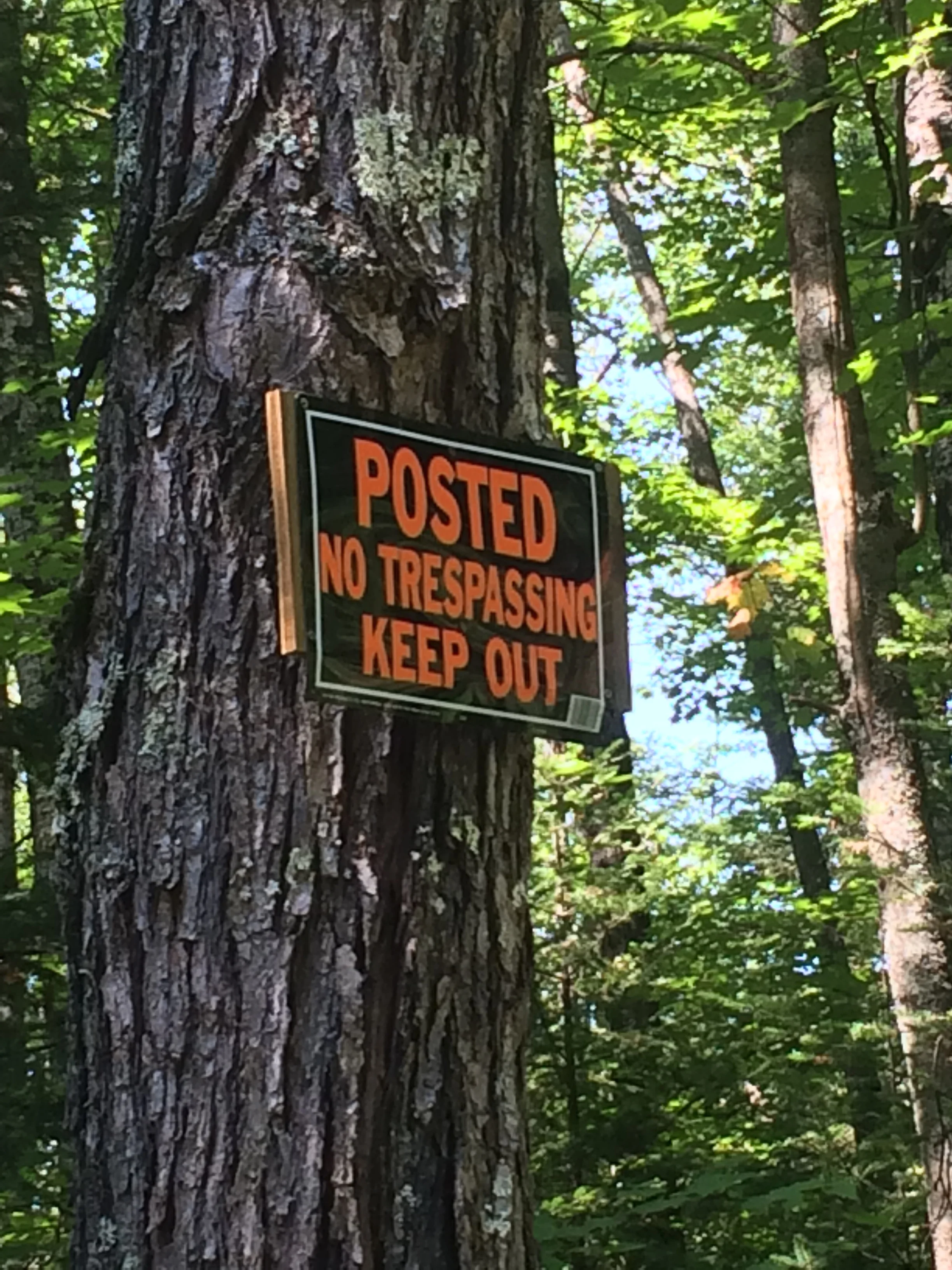
POSTED

IMG_1242.jpg

Relationships might be easier if we had better signage.  Or if we were better at reading signs.

Sometimes I need to put a sign on the door of my heart, “Posted—NO Trespassing—Keep Out.” There are times when the heart needs solitude—space—silence; when the desire to keep one’s own counsel is appreciated and honored.

But, there are other times that I want to put the “Welcome” mat out. These are times when the heart sets up chairs and is ready for a visitor or two; people who will come in and share the tender joys and the aching pain of life with me. The flashing neon “Open” sign is plugged in.

And there are other times when the heart feels desperate—when it opens the windows and in black, bold hand lettering cries, “Help—Please!! Come In—I Need You!” These are times when the heart’s desire for solitude has grown into a desperate loneliness; when fear and despair occupy the chairs I set out for company.

There are many other signs.  They express a range of the heart’s desires. And we either fail to put them up and keep people guessing about what we need, or others around us fail to have their eyes checked so they can read them.  Either way, much of the stress of relationships is related to this problem with signage. 

And maybe we would have less trouble with stumbling into each other if we learned the many non-verbal signs that people use to tell us what their heart is feeling. Or maybe we could learn to say where we are instead of blaming others for not reading well. Or, maybe we could discover grace, offered when others miss the cues and commit to better signage in the future.