COMPASSSION

We are drawn to compassionate people. Yet, it isn't always easy to be compassionate. In his book, "The Roots of Sorrow: A Pastoral Theology of Suffering", Phil Zylla develops a way to talk about God and suffering. One of the movements that we must make if we are to try to talk about faith and pain is to move from indifference to compassion.

Compassion literally means, "to suffer with." But, Mr Zylla believes that this doesn't fully reflect what Christian compassion is.  It isn't simply to find yourself in a place where others suffer and to stand with them. He says that "compassion is the capacity to move toward suffering rather [than] away from it." He believes that in this regard, compassion isn't natural. He suggests that we are repelled by suffering. We prefer to move away from it rather than to it.

I understand what he is getting at. I would agree that we often avoid suffering of others. But, I also know that when we have a deep and abiding connection to the other, we are drawn toward their suffering. If our child is injured, we are drawn to them. If our sibling is in pain, we are impelled to move toward the pain. There is a desire to share the pain with the hope that our presence might help ease the suffering.

But Mr Zylla is right in that many cases we move away from suffering of those we don't know. We often don't know what to do and don't like to be somewhere that we are helpless. That is why it is often helpful to be part of organizations such as the church who create opportunities for us to be compassionate--to move toward suffering rather than away from it. With some guidance and some presence of others, we gain courage to share suffering with others.

What communities are you part of that help you develop your compassion? What kind of suffering are you willing to walk toward?  
POSSESSIVE LOVE

I don’t know about you, but when I love someone or something, I want to hold on to it. I want to protect it. I want to nurture the relationship so that I can continue to love, but just as importantly, so I can continue to receive the love I feel from the other.

But, sometimes loving another this way assures that we will lose that love. For if we try to keep getting the love we want to hold on to, we are inclined to keep seeing the other as they were when we got the love we wanted. A possessive love assumes that love is available only as we have known it and only from the person as they are.

This possessiveness is grounded in a sense of scarcity. When I don’t think there will be enough to sustain me in the future, I hoard that which I have. If I am afraid that there will not be enough love to sustain me in the future, I will want to store up as much of it as I can so it is there when love runs low. 

But, from what I have learned in living, those who believe that there is love enough to nourish a needful soul, discover that indeed there is plenty. When we live in the fear that we won’t have enough, we hang onto what is and there is no room for another kind of love to enter our lives. When we define love as one thing, we miss all the other experiences of love that are there to be received. 

And when we believe there is enough love to sustain us, we will also give love away. What we have received will be made available without reserve to others with whom we come in contact. It may indeed to be more blessed to give than to receive, but maybe that is because when we give love freely, we simply open ourselves to receive the blessed love of others.

DANGER AHEAD

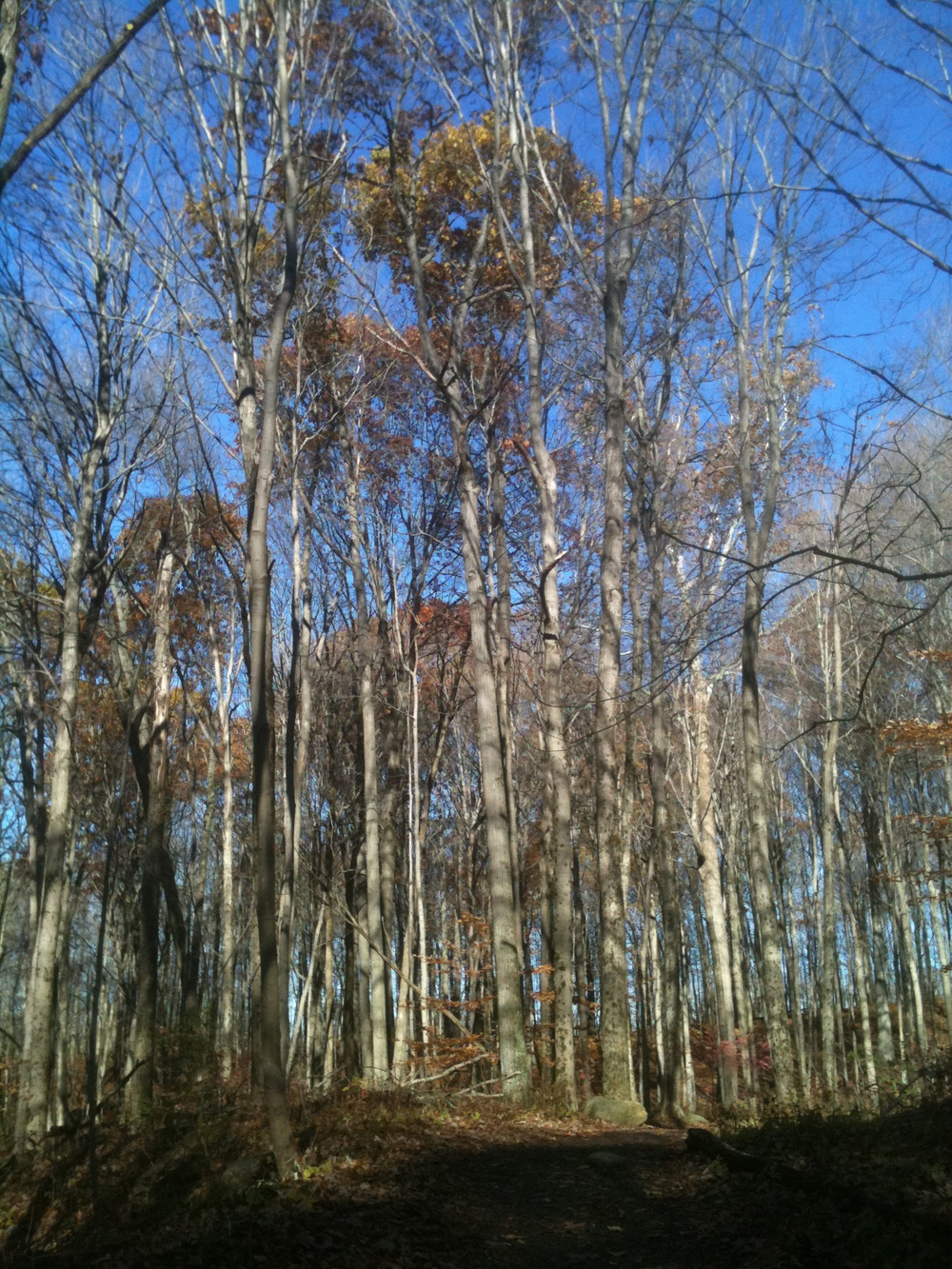
I almost missed it!! I was hiking today on a trail shared with mountain bikers. I decided to go against the traffic so I could see the bikers as they were coming. But, since the last time I was on that trail, spring had sprung. The green undergrowth had burst forth. The trail twisted and turned and I discovered it was harder to see very far down the trail. I leaned into the hike, looking for bikers racing toward me.

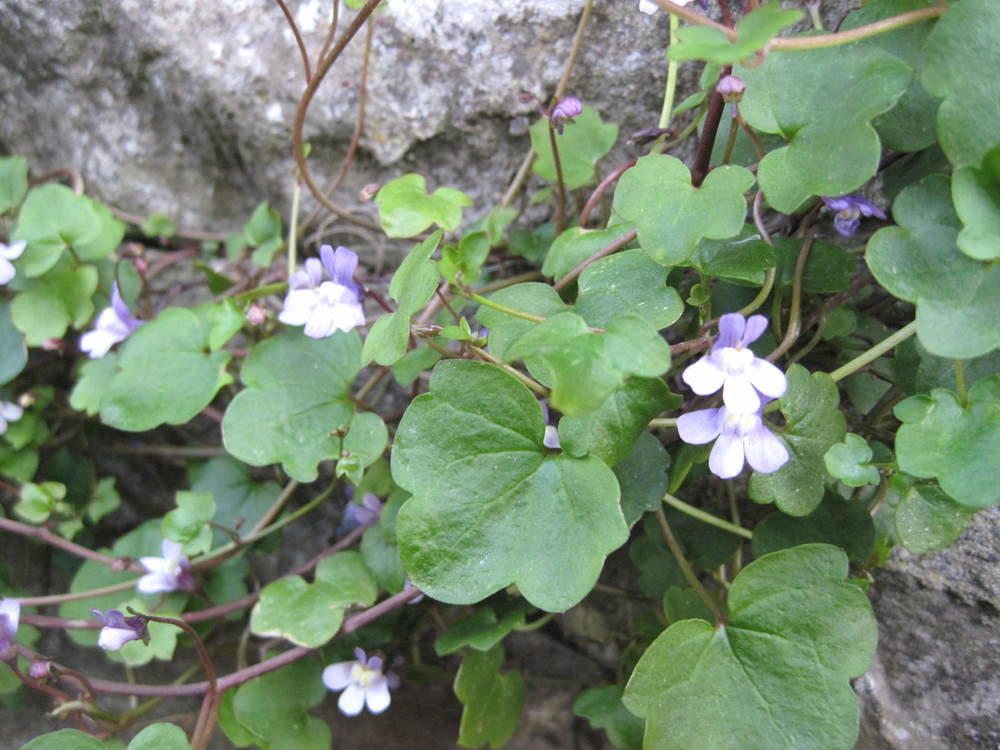
And then I noticed it. This yellow flower. Right there where I was beside the trail. I stopped and looked around and the floor of the forest was blooming in purple and white, yellow and pink. I had been so concentrated on looking for bikers so as to avoid getting hit that I didn't even pay attention to the beauty that was right there beside me.

I sometimes think the future does that to us. We are straining to see far enough ahead to avoid danger that might be coming that we fail to look down right where we are walking. The more anxious we are about what is coming around the bend, the less attention we are paying our lives right now.

When I headed back down the trail to my car, I noticed that I was worried about what was coming behind me. I wanted to get out of the way of the bikers and so found myself turning to look behind me at every sound. My attention was focused on what danger from behind.

And I realized that sometimes we are so fearful of our past catching up with us that we spend more time focusing there than on the present and it's beauty and grace.

In all this walking and wondering, I remembered the words of Jesus: "So do not worry about tomorrow, for tomorrow will bring worries of its own. Today's trouble is enough for today." (Matthew 6:34, NRSV) Maybe if we become less anxious about what might happen or what has happened, we could notice the grace and beauty in what is happening.

RESILIENCE

Living well requires the capacity to adapt. Being reslient is the capacity to rebound. When one has had a significant setback (which we all experience at certain times in our lives) one's capacity to learn to live again beyond the crisis determines how happy they will be. When the past pain holds on so tight that we can't breathe the fresh air of tomorrow we miss much of what life has to offer.

Michael Sperber, MD suggests that one's capacity for resliience is related to one's capacity to "being-in-the-world." (Psychiatric  Times, July 2, 2012). He believes that the capacity adapt is related to the person engaging in three different conversations. One is being dialogue with nature. That is, the ability to ground yourself in the present is related to your being embrace by that of which we are a part and which sustains us. 

Anne Frank put it this way. "The best remedy for those who are afraid, lonely or unhappy is to go outside, somewhere where they can be quite alone with the heavens, nature, and God. Because only then does one feel that all is as it should be and that God wishes to see people happy, amidst the simple beauty of nature. As long as this exists, and it certainly always will, I know that then there will always be comfort for every sorrow, whatever the circumstances may be. And I firmly believe that nature brings solace in all troubles." (Diary of a Young Girl, 1986).

As spring invades the heart land, I am discovering again the healing quality of being in nature. Dialogue with the expanse of sky and the solid footing of ground helps heal my pain and nurtures my soul. Maybe it can become a solace for you as well.

GLOBAL FAMILY

We stood, gathered in a church courtyard. There were about 30 of us standing around a plot of ivy covered ground. A hole in the dirt is waiting for the ashes of my big sister, Kay. We were her family gathered from around North America to honor a woman who had blessed so many. Her husband, David, had asked me to say a few words on behalf of the family. How do you sum up the life of one who has lived a rich and full life?

As I stood and looked out on the gathered family, I realized that words could not do what the community who encircled her ashes did by its very presence. There before me were people with northern European heritage, African heritage, Native American heritage, Vietnamese heritage, Guatemalan heritage. They were all in Kay's family. We had come from Vancouver BC, Vermont, Rhode Island, New York City, Virginia, Indiana, Southern California, South Dakota, Kentucky, Alabama, Texas, Illinois, Ohio. 

And we who were gathered were from every walk of life: grocery clerk, chef, teachers, business women and men, unemployed, nurses, professionals of all kinds. Some of us had multiple degrees, others had wisdom learned on the streets. Some lived with physical challenges, others with emotional complexities. Some were gifted in speech, others in music, others in compassion, others in empathic presence. All of us were there together, in all our diversity, because we were loved by Kay and we loved her.

What more needs to be said. Kay and Dave lived a life of generous hospitality. They always made room for more. Their family expanded the longer they lived, opening to people who were seeking home. There was always more room in Kay's heart even if she didn't have any more room in her home. Kay and Dave grew a global family and discovered the challenges and gifts of creative diversity.

It seems to me that the world needs more people like my sister Kay and her husband Dave. If we are going to learn to live together in this shrinking planet, we have to become family where all are honored whether they are like us are very different. As I say good-bye to my big sister, I say "Thank you Kay, for allowing me to see in you and Dave a taste of the reign of God. May your spirit infect us that we too might honor all as you did."